
Ephebopus uatuman

from $45.00
Size:

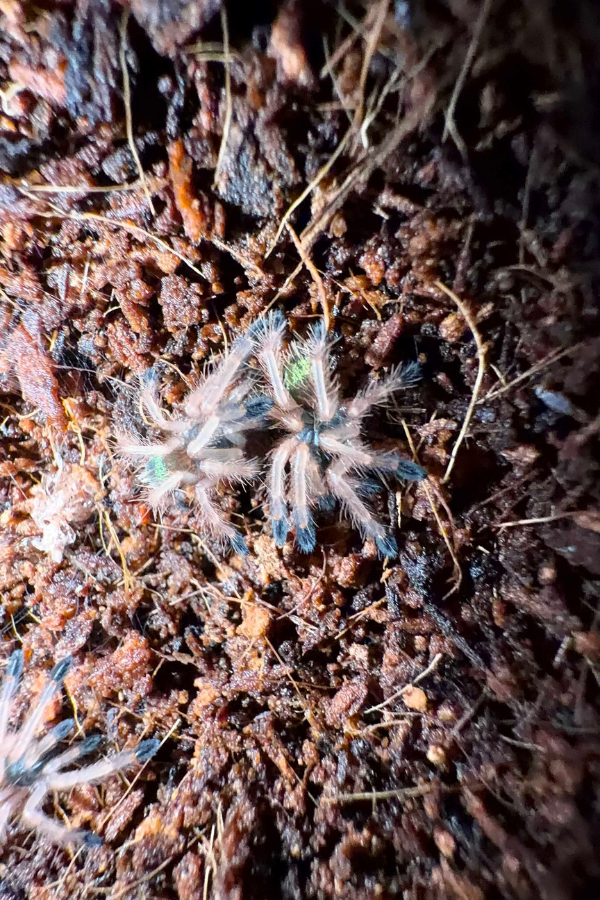
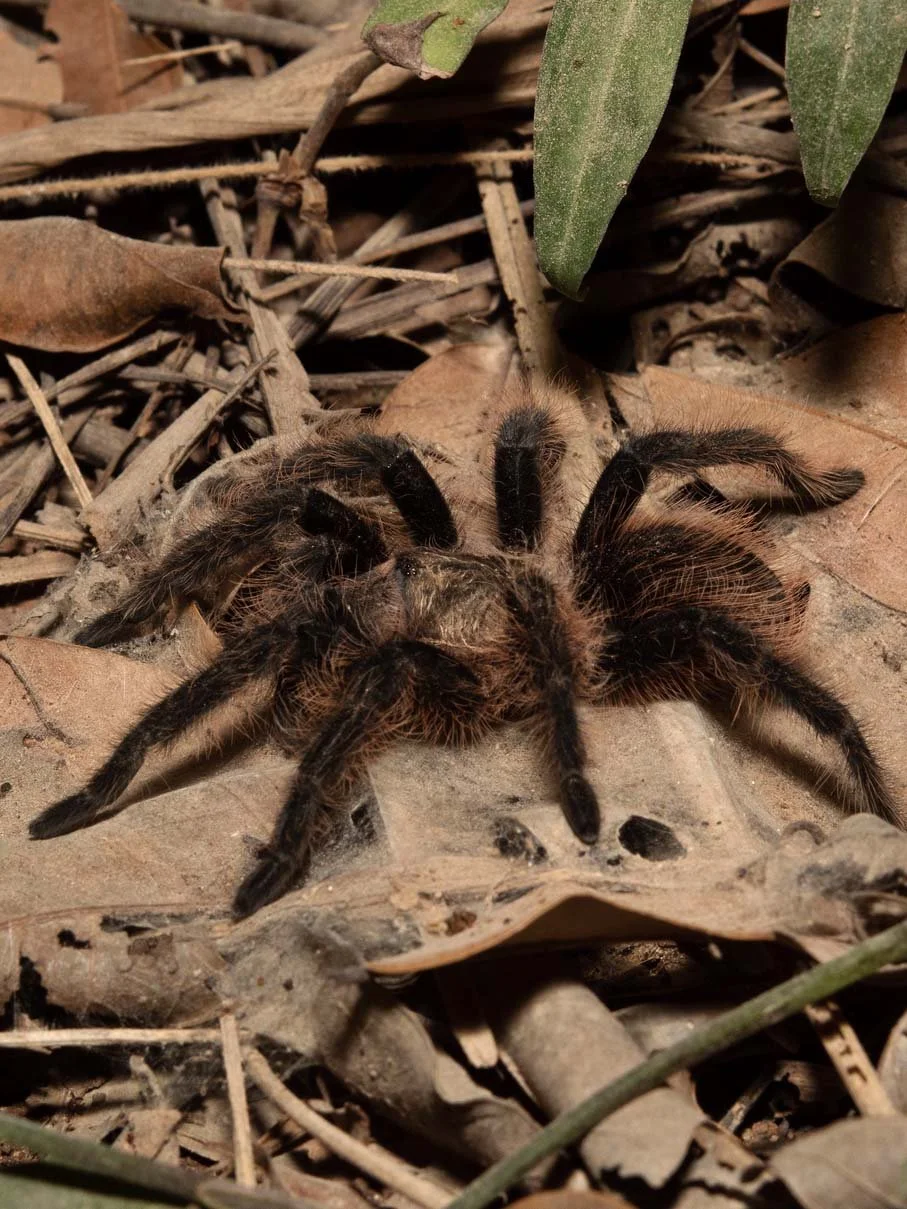
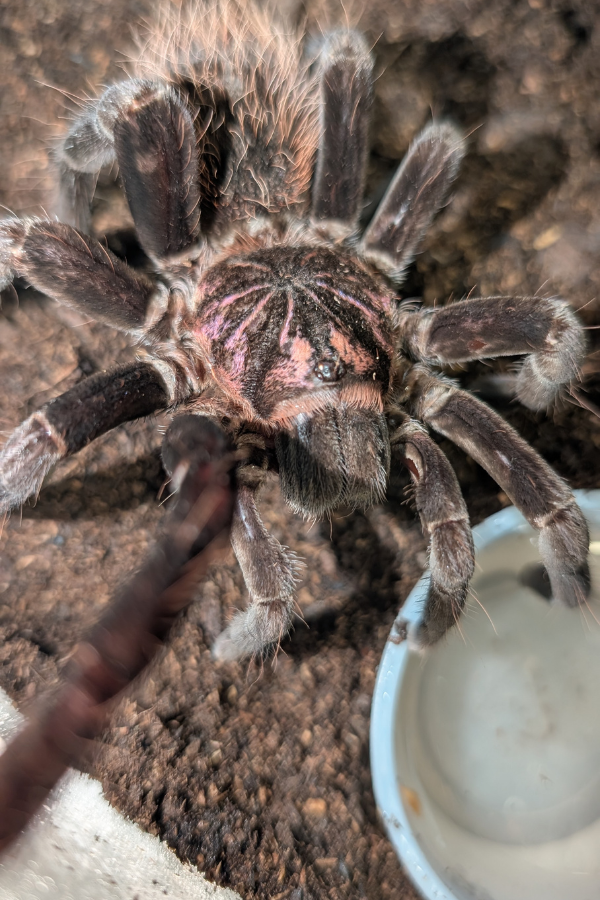
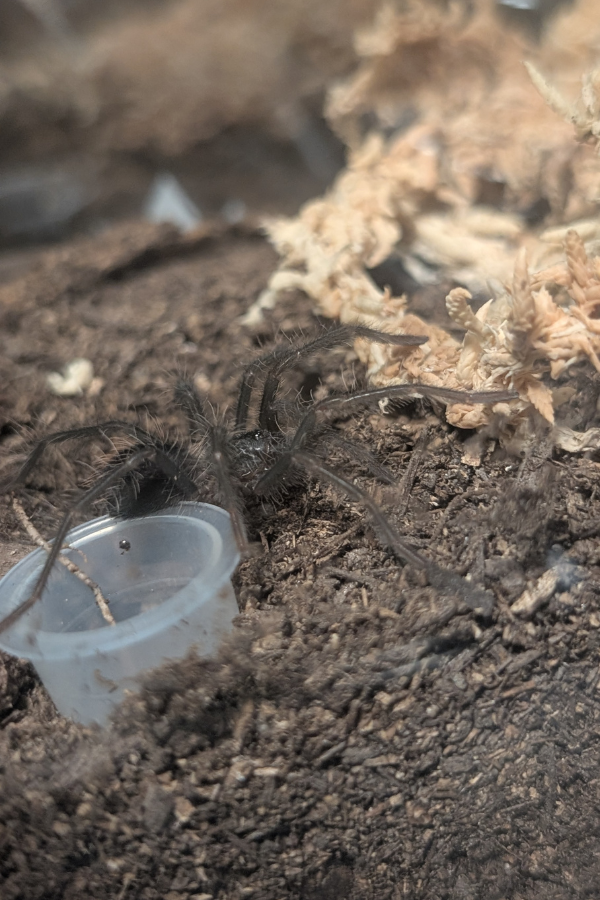
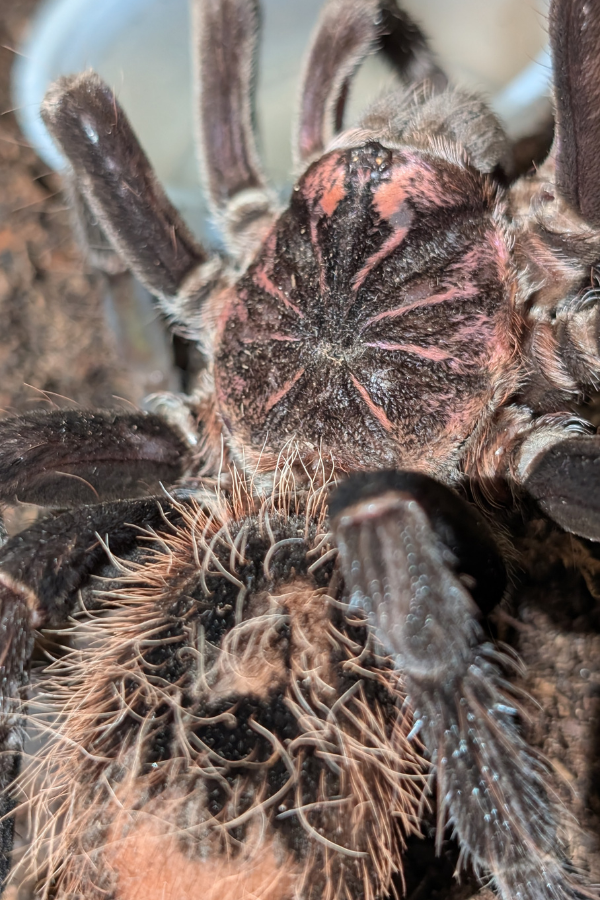
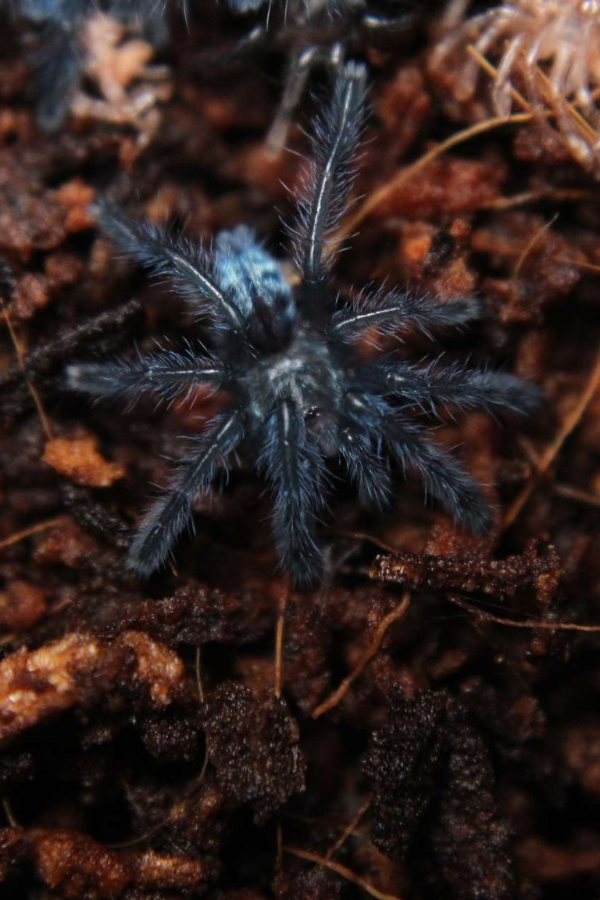
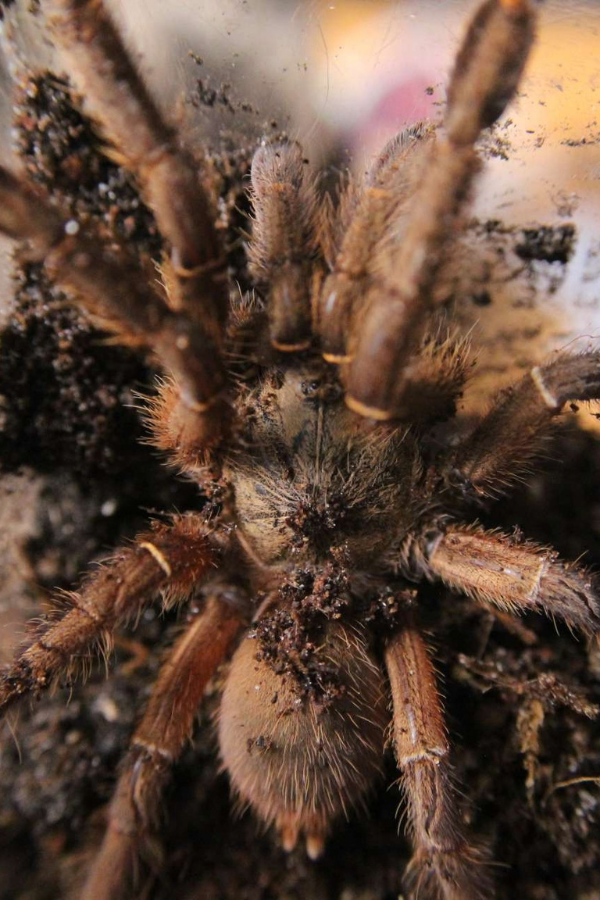
The Ephebopus uatuman, commonly known as the Emerald Skeleton tarantula, is a striking fossorial species native to the rainforests of northern Brazil. It gets its name from the skeletal markings on its legs, bright white-to-greenish lines running along a dark base, giving it a bold, almost painted appearance, often with a subtle metallic green sheen on the carapace. This is a medium-sized species, with adults reaching around 4.5–5 inches in leg span. Ephebopus is an unusual genus: despite being New World tarantulas, they carry their urticating hairs on their pedipalps rather than the abdomen. Add in a fast, skittish, and often misunderstood as a defensive temperament, and this is not a spider that tolerates handling. As a fossorial species it appreciates deep substrate to burrow, higher humidity, and plenty of hiding options. This spider is commonly known to build silk-lined burrows and retreats. Between its speed, defensiveness, and specialized care needs, the Emerald Skeleton is best suited to intermediate and advanced keepers who can appreciate vivid coloration without needing to handle it.

The Ephebopus uatuman, commonly known as the Emerald Skeleton tarantula, is a striking fossorial species native to the rainforests of northern Brazil. It gets its name from the skeletal markings on its legs, bright white-to-greenish lines running along a dark base, giving it a bold, almost painted appearance, often with a subtle metallic green sheen on the carapace. This is a medium-sized species, with adults reaching around 4.5–5 inches in leg span. Ephebopus is an unusual genus: despite being New World tarantulas, they carry their urticating hairs on their pedipalps rather than the abdomen. Add in a fast, skittish, and often misunderstood as a defensive temperament, and this is not a spider that tolerates handling. As a fossorial species it appreciates deep substrate to burrow, higher humidity, and plenty of hiding options. This spider is commonly known to build silk-lined burrows and retreats. Between its speed, defensiveness, and specialized care needs, the Emerald Skeleton is best suited to intermediate and advanced keepers who can appreciate vivid coloration without needing to handle it.

Royal Soil Bioactive Blend Royal Soil Bioactive Blend Royal Soil Bioactive Blend Royal Soil Bioactive Blend Royal Soil Bioactive Blend Royal Soil Bioactive Blend
Bundle & Save:
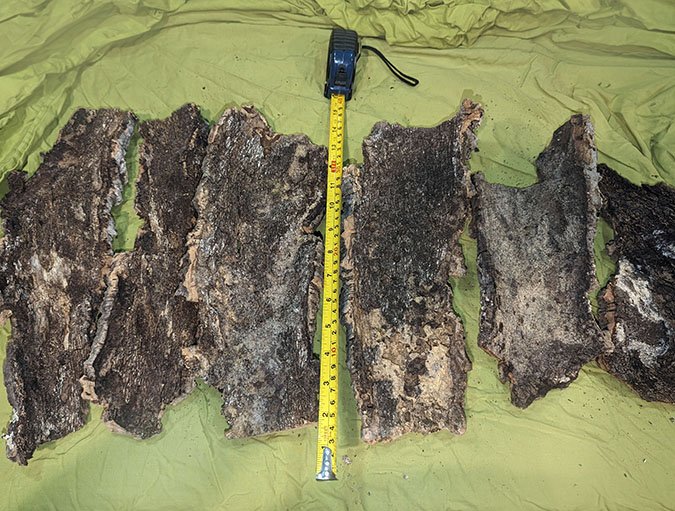
Cork Bark Flats
Cork Bark Flats
from $15.00
Size:
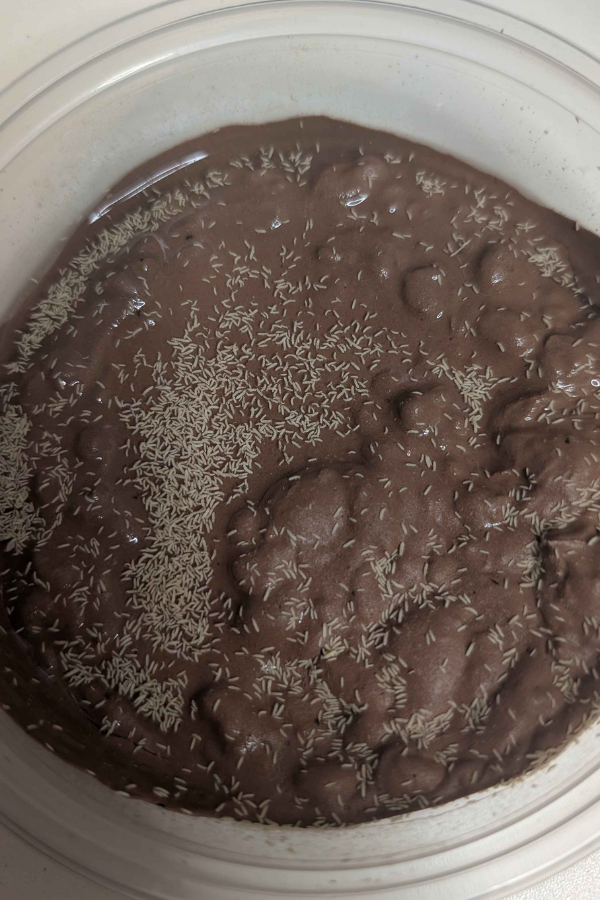
Folsomia candida Folsomia_Candida_White_Springtails.png Folsomia_Candida_White_Springtails.png
Folsomia candida
from $25.00
Size:

What’s the ideal diet for an Emerald Skeleton Leg Tarantula? 

All Tarantulas can eat a variety of feeders. We recommend crickets, dubia roaches, silkworms, horned worms occasionally, and a superworm or mealworm as the occasional treat!

How should I keep an Emerald Skeleton Leg Tarantula?

We recommend starting with a small Fossorial Fissure enclosure for this particular creature. When they are about ⅓ the size, you will want to upgrade to a medium or large Fossorial Fissure enclosure. As slings, feed them once a week. Twice if their opisthosoma (abdomen) looks small, but if the opisthosoma is wider than their prosoma (cephalothorax), then wait a couple of days to feed. For juveniles or adults, stick to feeding once a week, nothing larger than their opisthosoma. Make sure to keep a full water dish at all times; wider and deeper is fine. Your tarantula can’t drown; they float on water.

How long could an Emerald Skeleton Leg Tarantula live?

Females are stated to live between 13-15 years, and males, on average live between 3-4 years. These are the best estimates from multiple sources.

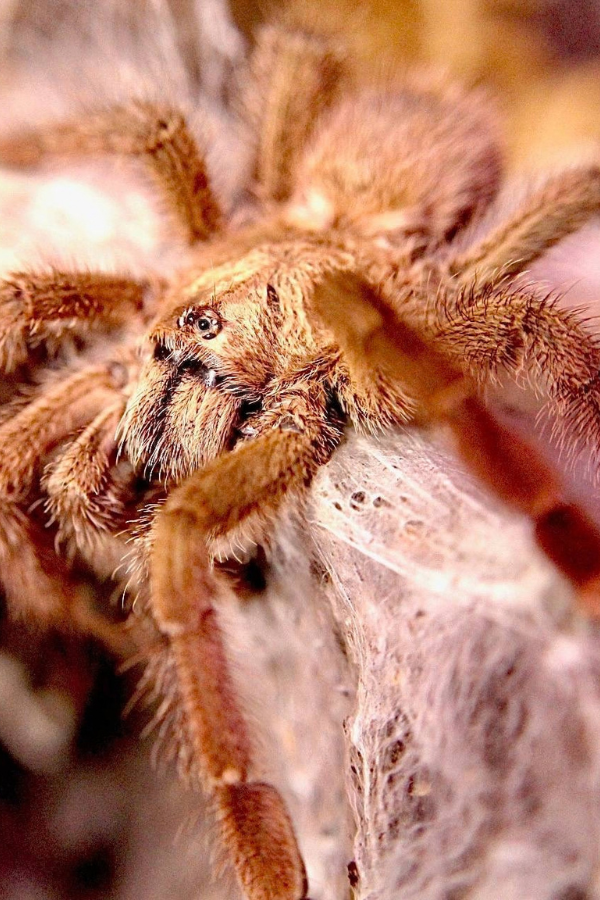
Photo courtesy of 8leggedhugs, some rights reserved (CC by 4.0). Licensing or distribution must be requested by creator prior.