
Dairy Cow Isopods

from $15.00
Only 3 available
Size:

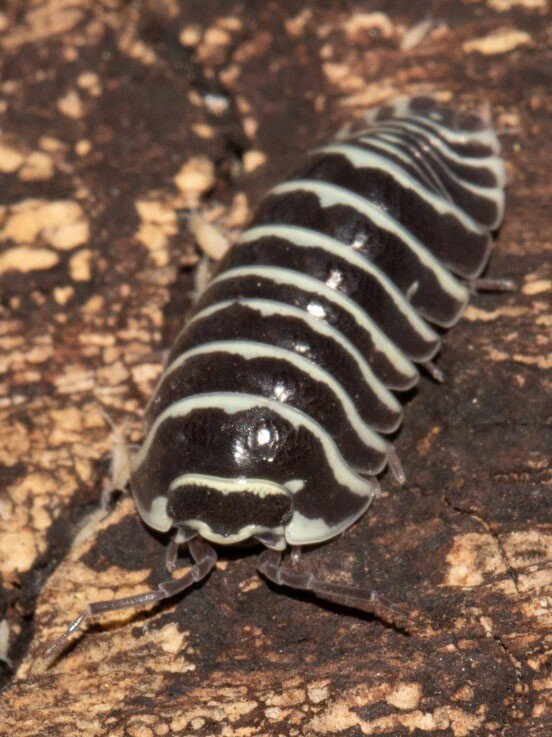
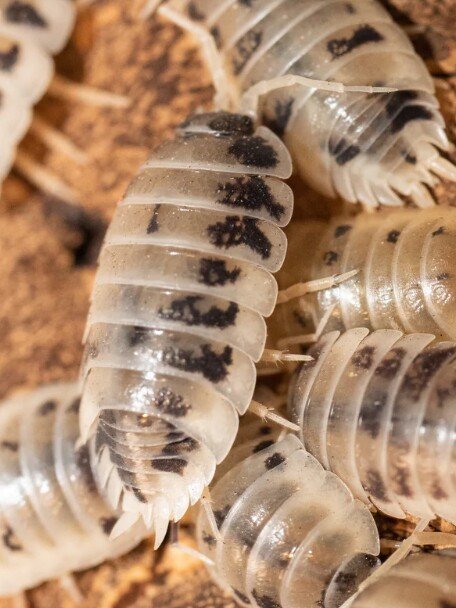
Dairy Cow Isopods get their name from their black and white patchy coloration, which really does bring a Holstein cow to mind. They're one of the larger and faster growing Porcellio species in the hobby, known for being hardy, easygoing, and quick to reproduce once they're settled in. Unlike some of the more delicate species, they can handle a wider range of humidity and temperature swings, which makes them a solid pick for anyone newer to keeping isopods. They're active foragers, often seen out and about rather than hiding away, and their large size combined with that eye-catching pattern makes them easy to enjoy watching as they work through a bioactive setup. One thing to watch out for however, is putting Dairy Cows in with anything of similar size, as they are obligate protein eaters and will choose easy prey over vegetables almost every time, making them absolutely amazing for feces cleanup of large snakes/reptiles. 

Dairy Cow Isopods get their name from their black and white patchy coloration, which really does bring a Holstein cow to mind. They're one of the larger and faster growing Porcellio species in the hobby, known for being hardy, easygoing, and quick to reproduce once they're settled in. Unlike some of the more delicate species, they can handle a wider range of humidity and temperature swings, which makes them a solid pick for anyone newer to keeping isopods. They're active foragers, often seen out and about rather than hiding away, and their large size combined with that eye-catching pattern makes them easy to enjoy watching as they work through a bioactive setup. One thing to watch out for however, is putting Dairy Cows in with anything of similar size, as they are obligate protein eaters and will choose easy prey over vegetables almost every time, making them absolutely amazing for feces cleanup of large snakes/reptiles. 

What's the ideal diet for your Dairy COw Isopods?

We highly recommend feeding this species a balanced diet of vegetables & proteins. Additionally, we suggest adding cuttlebone or crushed eggshells to the enclosure to boost calcium intake. For vegetables, we recommend bok choy, mustard greens, and collard greens, as well as organic butternut squash or any other squash that is readily available. Cucumbers can be given for water only as they are very quick to rot, and mold. One item to note is that isopods themselves do not eat mold, and mold/fungus are naturally occurring in the air, so springtails are a must for all kinds of isopods to keep mold spores to a minimum.

What is the best way to keep and breed your Dairy COw Isopods?

We highly recommend keeping isopods on Royal Soil, with Cork Round or Cork Flats for cover, along with additional springtails such as Folsomia candida to help keep mold from building up in the enclosure. Maintaining a damp side and a drier side allows your isopods to move between microclimates and hydrate as needed. We do not recommend a water dish, as isopods can easily drown in them. Instead we highly recommend you offer them water crystals or vegetables with high moisture content such as squash to keep them hydrated.

What is the best type of habitat to use Dairy COw Isopods for bioactive?

Dairy Cow Isopods thrive best in arid and temperate climates, but do just as well in tropical environments. The only thing stopping them from reaching the #1 bioactive slot is due to their more ravenous craving for protein, making them a risk for other invertebrates or injured/sick reptiles and amphibians.  Make sure to include Cork Bark Rounds or Cork Bark Flats for hiding spots, along with a scattering of Folsomia candida springtails to manage mold and decomposing matter.